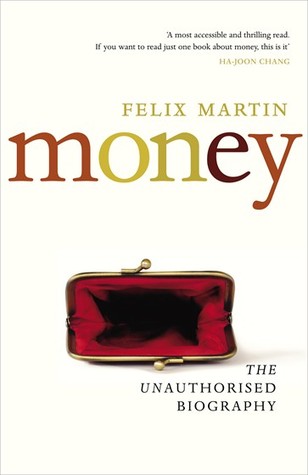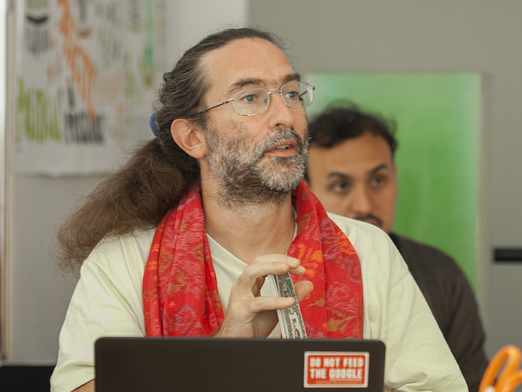
Eyal Herzog learned a hard lesson when his world-beating online video site was overtaken by Youtube. He learned that the internet, by lowering the barrier to entry, enables a 'long tail'. In other words if you want to own a sector, you shouldn't worry about the leaders in that sector, as much as supporting the 99% of others who want to be in that space. Eyal and his team understood that if the kind of democratisation that YouTube brought to video happened to money, then there need never be a scarcity of money again.

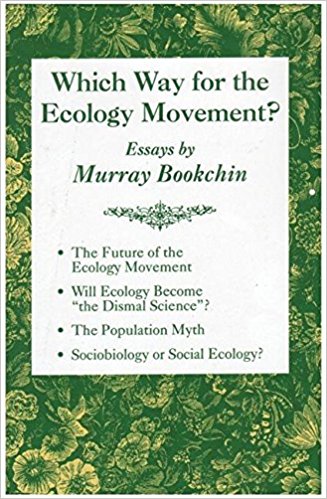 Despite being repetitive, and often dense, Bookchin writing in the 60s, 70s and 80s makes arguments I've never heard before, and manages to be more convincing and more optimistic than many of his contemporaries, many of whom, he argues are shallow, woolly, misanthropic, or totalitarian!